Convert Your Old Cars Into Cash: The Reasons You Should Consider Selling Now
Transforming a junk car into cash can be a smart decision for many vehicle owners. The potential financial benefits are often overlooked, as are the beneficial effects on the environment. With numerous options available, understanding how to navigate this process is essential. Yet, misconceptions about selling junk automobiles can deter individuals from taking the necessary steps. Exploring the true value and the best practices can result to unforeseen advantages. What should one consider before taking action?
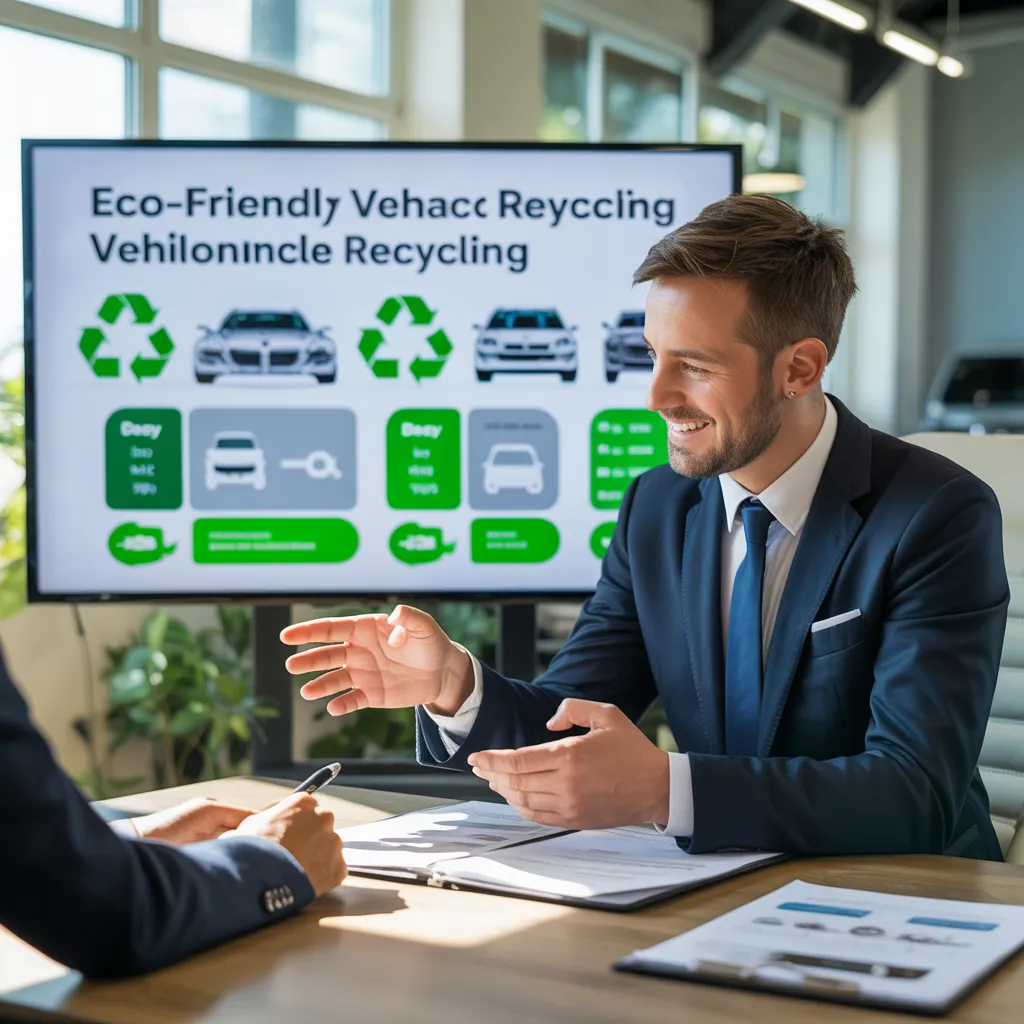
Discovering the Monetary Value of Your Junk Car
Though several car owners may underestimate the value of their junk automobiles, knowing their value is essential for maximizing potential cash returns. The worth of a junk auto can fluctuate substantially based on multiple factors, including its make and model, model, age, and physical condition. Vehicle owners should evaluate whether the car has usable parts, as various buyers want particular components for resale. In addition, the local market demand for scrap metal can determine the final value, as prices vary based on supply and demand.
Researching similar vehicles in the vicinity can provide insights into competitive pricing. Vehicle owners should also take into account any notable features or aftermarket modifications that could improve the car's value. Finally, securing quotes from multiple buyers, including junkyards and private parties, can secure a fair valuation. By completely understanding these components, sellers can better position themselves to get a fair offer for their junk vehicle.
Economic Benefits of Parting With Your Junk Car
Disposing of a junk vehicle can provide substantial monetary advantages for owners aiming to make room and make some extra cash. Many car owners misjudge the worth of their old vehicles, which can bring in unexpected sums when sold to scrap yards or junk car buyers. These transactions typically provide immediate cash, offering a swift answer for cash requirements or debt reduction.
In addition, disposing of a junk car removes recurring costs related to maintenance, insurance, and registration. This doesn't just liberates financial resources but also alleviates the pressure of managing an unwanted vehicle. Moreover, vehicle owners can gain from the potential tax deductions linked to charitable contributions of junk cars, further increasing financial gain.
Environmental Consequences of Auto Recycling
Recycling vehicles plays an essential role in decreasing landfill waste by preventing old cars from being part of growing waste sites. Additionally, it helps preserving natural resources by permitting valuable materials to be reused in manufacturing processes. In addition, recycling decreases pollution emissions related to the production of new vehicles, encouraging a better environment.
Minimizing Waste Disposal Site Garbage
Decreasing landfill waste is an essential benefit of recycling vehicles, as it helps lessen the environmental impact associated with discarded automobiles. When vehicles are left to deteriorate in landfills, they result in soil and water contamination through the leaching of harmful substances such as oil, batteries, and fluids. By recycling these vehicles, valuable materials including steel, aluminum, and plastics are recovered, greatly reducing the volume of waste sent to landfills. This process not only conserves space in landfills but also decreases the need for new landfills, which can damage local ecosystems. Furthermore, recycling efforts encourage responsible waste management and cultivate a culture of sustainability, prompting individuals and communities to consider carefully about waste production and disposal.
Protecting Natural Resources
While it may seem inconsequential, the act of recycling junk cars plays an essential role in conserving natural resources. When vehicles are recycled, important materials such as steel, aluminum, and copper can be reclaimed and repurposed. This process notably reduces the need for mining new ores, which can be both harmful to the environment and resource-heavy. Furthermore, recycling vehicles helps save energy, as creating new materials often requires substantial amounts of energy compared to reusing existing ones. By dismantling and recycling components, automotive recyclers not only conserve these natural resources but also contribute to a more sustainable economy. In conclusion, selling junk cars for recycling is a responsible choice that advances resource conservation and promotes environmental stewardship.
Reducing Pollution Emissions
As society increasingly prioritizes environmental sustainability, the recycling of junk cars emerges as an essential strategy for limiting pollution emissions. When vehicles are dismantled and recycled, harmful components, such as lead batteries and oil, are safely removed, stopping toxic substances from contaminating soil and water sources. Additionally, recycling metal from junk cars reduces the need for new metal production, which is energy-intensive and contributes substantially to greenhouse gas emissions. By converting old vehicles into reusable materials, the overall carbon footprint connected to manufacturing processes is substantially lowered. In addition, the recycling industry creates jobs and stimulates local economies, encouraging sustainable practices. Therefore, selling junk cars not only produces cash but also plays a significant role in supporting environmental health.
Preparing Your Junk Car for Sale: A Guide
Setting up a junk evidence car for sale entails two essential steps. First, the seller should gather all necessary documentation, such as the title and registration, to facilitate a smooth transaction. Additionally, removing personal belongings from the car ensures a clean and organized handover.
Gather Necessary Documentation
Prior to selling a junk vehicle, it is crucial for sellers to collect the needed documentation to expedite the process and guarantee a smooth transaction. Critical documents include the vehicle title, which confirms ownership. If the title is missing, sellers should get a replacement from their local Department of Motor Vehicles (DMV). Additionally, a bill of sale could be needed, especially for private sales, to record the transaction details. Sellers should also gather any past registration and maintenance records, as these can supply valuable information to potential buyers. Finally, having a valid identification, such as a copyright, confirms that the seller's identity is verified during the sale. Adequate documentation not only facilitates the sale but also safeguards both parties involved.
Remove Your Belongings
Once the essential documentation is in order, sellers should focus on removing personal belongings from the junk car. This step is essential to ensure that no items are left behind, which could lead to complications later. Sellers should carefully check all compartments, including the glove box, center console, and under the seats, as personal items often collect in these areas. It's important to check for valuable items such as electronics, documents, or personal effects that may have been left behind. Additionally, sellers should inspect the trunk for any hidden belongings. By taking the time to remove these items, sellers not only protect their personal information but also make the car ready for the next owner or salvage yard, streamlining the selling process.
Choosing the Best Buyer for Your Junk Car
How does one make certain they pick the correct buyer for their scrap car? Initially, it's important to look into possible buyers thoroughly. This includes examining customer reviews, testimonials, and ratings from earlier clients to evaluate their reputation. It's recommended to communicate with numerous buyers to compare offers and inquire about their methods. Clarity is important; a reliable buyer should offer explicit information concerning pricing, towing services, and payment procedures.
In addition, ensuring that the buyer is properly licensed and insured can provide confidence of their legitimacy. It is also useful to evaluate their readiness to answer questions and address concerns, indicating their emphasis on customer service. In addition, potential sellers should evaluate buyers who specialize in junk cars, as they are often more familiar with valuation and can give better prices. By following these guidelines, sellers can make an intelligent decision, ensuring a smooth transaction and maximizing their return.
Popular Myths Regarding Selling Junk Cars
Numerous sellers maintain misconceptions about the process of selling junk cars, which can create confusion and missed opportunities. One common myth is that junk cars have no value, prompting owners to believe they should simply scrap them. In reality, many purchasers are prepared to pay for parts or scrap value. Another misconception is that the automobile must be in working condition to sell. Many buyers specialize in junk cars regardless of their operational status. Additionally, some sellers feel the paperwork is overly complicated; however, most transactions require very little documentation that can often be completed quickly. Finally, there is a belief that selling junk cars is a lengthy process. In fact, many transactions can be concluded within a day. By clarifying these myths, sellers can better navigate the selling process and maximize their potential cash return.
Guidelines for a Effortless Selling Transaction
What steps can sellers take to guarantee a seamless experience when selling junk cars? Initially, sellers should assemble all essential documentation, including the vehicle title and any maintenance records. This prepares them for potential requests from buyers. Next, acquiring multiple quotes from local junk car buyers or salvage yards enables discovering the best offer. Sellers should also ensure that the vehicle is clean and free of personal belongings, as this shows professionalism.
Additionally, sellers should be transparent about the vehicle's condition, providing honest details to prevent disputes later. Scheduling the sale during daylight hours can boost safety and visibility, making the transaction more secure. Finally, sellers should be aware of the payment methods accepted and verify they receive payment before handing over the title. By following these tips, sellers can experience a seamless process and maximize their returns from selling their junk cars.
Common Questions
Can I Sell My Junk Vehicle Without Having a Title?
Yes, one can sell a junk car without a title, though the process may be more complicated. Some buyers may accept a bill of sale or other documentation, but laws vary by state and jurisdiction.
How Long Will the Selling Process Take?
The selling process for a junk car typically takes anywhere from a few hours to a couple of days. Aspects that influence this time period include finishing the required documentation, the buyer's availability, and the sale method you select.
Do Junk Car Removal Services Charge Fees?
Normally, junk car removal services may charge fees, though many companies give free pick-up. It is suggested for sellers to check on potential costs upfront to prevent unexpected charges during the removal process.
What Documents Are Required to Sell My Junk Car?
When selling a junk vehicle, you generally need the vehicle title, registration documents, and a valid ID. Other paperwork may consist of a bill of sale or any liability waiver documents necessary per local authorities.
Is It Possible to Sell My Junk Car Parts Individually?
Certainly, a junk car's parts can be marketed separately. Vehicle owners commonly disassemble automobiles to sell worthwhile components like engines, transmissions, and tires, optimizing financial returns while following local regulations regarding vehicle disposal.